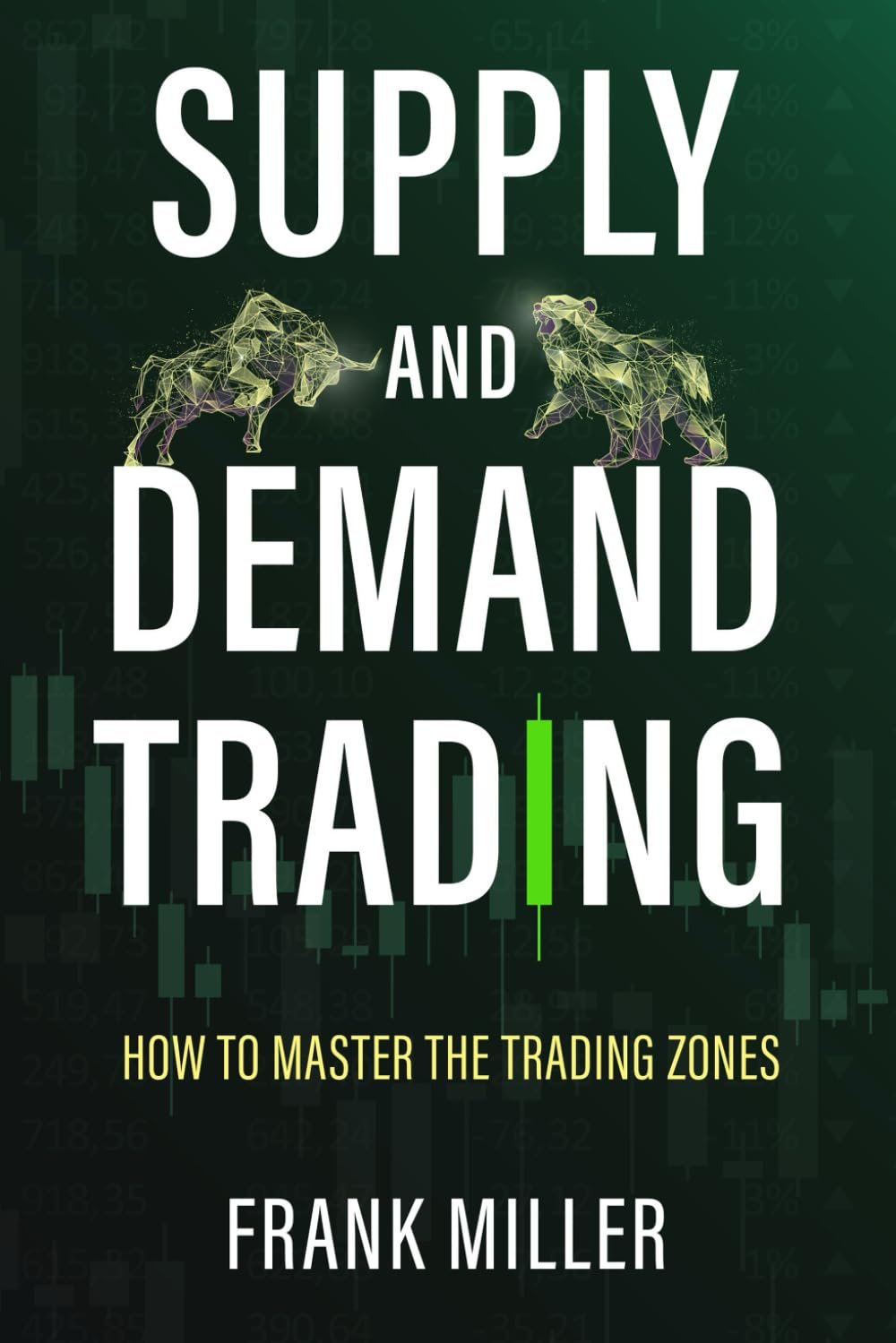
Welcome, folks! If you’ve been wrangling with the ups and downs of the stock market, only to find yourself perplexed by the capricious ways of the bulls and bears, you’re not alone. Many traders meet the market with optimism, but often leave scratching their heads. Fear not, for we have something that promises to cut through the confusion. Let’s dive into Supply and Demand Trading: How To Master The Trading Zones, a book that claims to clarify the murky waters of trading through its insights into the principles of supply and demand.

Key Features
This book serves as a roadmap to navigating the chaotic trading landscape. Here are some standout features:
-
Understanding Supply and Demand: The book introduces ancient economic principles without drowning in technical jargon. It explains how these principles underpin market movement, allowing you to make more informed decisions about when to buy or sell.
-
Identifying Trading Zones: One of the book’s significant strengths is teaching readers how to identify the key trading zones that big players focus on. Understanding where these zones are can lead you to higher success rates in your trades.
-
Art of Drawing Zones: It provides practical guidance on how to delineate supply and demand zones on your charts. You won’t find complicated formulas here—just straightforward strategies that anyone, whether seasoned or a novice, can grasp.
-
Combining Patterns: The book also delves into how to use candlestick patterns in conjunction with supply and demand zones. This skill opens new avenues for trading opportunities and risk management.
-
Long-Term Success: Finally, it shares secrets that contribute to long-term trading success, including methods to enhance your winning rate. A sprinkle of wisdom goes a long way in ensuring you don’t fall into the common traps new traders often do.
With practical examples and high-quality charts, the concepts are easy to digest, making it a solid choice no matter where you are on your trading journey.
Pros & Cons
Pros:
- Informative and Engaging: Numerous customers mention that the book is not only educational but also easy to read. It’s packed with useful information that doesn’t feel overwhelming.
- User-Friendly: Reviewers appreciate the accessibility of the content, making it a suitable choice for beginners and skilled traders alike.
- Practical Examples: The inclusion of various charts enhances understanding while grounding the explanations in real-world scenarios.
Cons:
- Depth Concerns: While many found it thorough, a few readers wished for even deeper explorations of certain concepts, hinting that some topics could be elaborated more comprehensively.
Overall, the Supply and Demand Trading book maintains an impressive rating of 4.4 out of 5 stars, which is a strong endorsement from the trading community.
Who Is It For?
This book could be a game-changer if you’re:
- A novice trader wanting to build a strong foundation in market behavior.
- An experienced trader looking to refine your strategies with a clear focus on supply and demand principles.
- Anyone tired of the typical clickbait trading advice and seeking to ground their trading strategies in solid economic concepts.
Essentially, if you want to learn how to dance with the big players without stepping on your own toes, this book is for you.
Final Thoughts
In summary, Supply and Demand Trading: How To Master The Trading Zones is an excellent addition to any trader’s bookshelf, whether you’re just starting or well into your trading journey. Its strengths lie in its clarity and practical insights into the subtleties of the trading landscape. While there are minor opportunities for deeper dives into specific subjects, the information presented is more than sufficient to help you elevate your trading game. So, if you’re serious about taking control of your trading, consider adding this book to your collection. Happy trading!
As an Amazon Associate, I earn from qualifying purchases.
If you are looking for more information on technical analysis, trading advisories, brokers. trading platforms, trading systems, copy trading and more please visit our resources page: